)
)
)
Interconnection is the formal technical and regulatory process required to safely plug a new power generator or massive energy user into the existing electric grid. Facilities must undergo extensive utility impact studies and secure legal agreements to ensure their integration does not compromise overall grid stability, reliability, or safety. Rather than moving at the speed of commercial demand, this process often takes years, making the growing multi-year backlog in interconnection queues one of the industry's greatest operational hurdles.
Core Concepts
- Cluster Studies
- Inverter-Based Resource (IBR) Modeling
- Large Load Integration
- Generator Interconnection
- Cost Sharing
- Surplus Interconnection Service
- Direct-Assign vs. Network Upgrades
- Withdrawal Penalties
- Capacity Heatmaps
- System Impact Study
- Ride-Through Modeling
- Active Volt-VAR Control
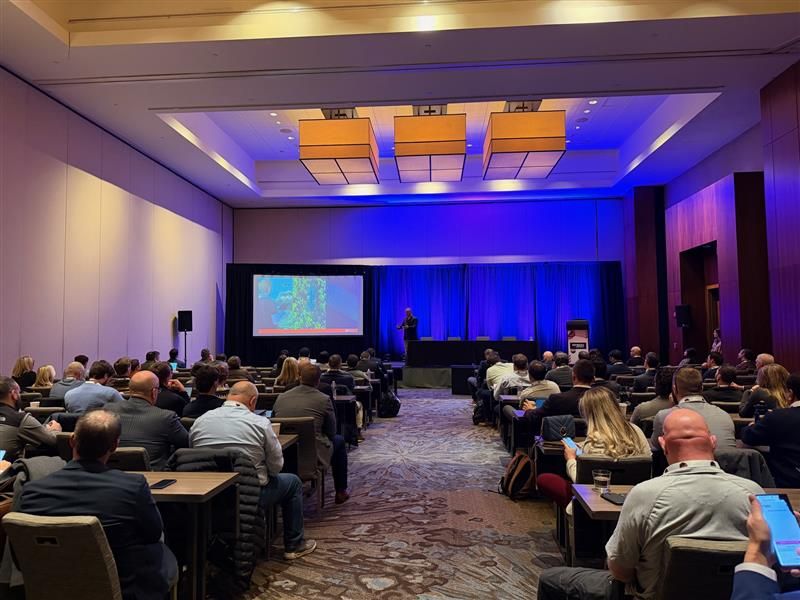
Interconnection educational opportunities
9:45 AM
-
The Northeast had a record-dry October in 2024 after one of its driest Septembers, and more than 400 fires followed across the region. The largest burned 5,000 acres on the New York–New Jersey border, …



10:45 AM
-
As distributed energy resources (DERs) continue to expand, utilities across the Northeastern United States are encountering new challenges related to power quality, voltage compatibility, and the reli …


Other Interconnection News
Visit Our Official Media Partner, Factor This, for more Interconnection News


Scaling DERs for reliability and resilience | Factor This Policycast
This episode of the Factor This Policycast explores how customer-sited technologies, including batteries, smart thermostats, backup generators, microgrids, rooftop solar, and flexible load, can be aggregated and operated as dependable grid assets.
September 24, 2026
